



How to Find Out Who is Behind a Fake TikTok Account

Fake TikTok accounts have become increasingly common, and these accounts may spread misinformation, scam people, steal content, or simply try to attract followers by copying someone else’s identity. Because fake profiles can look surprisingly convincing, it is not always easy to determine whether an account is genuine just by looking at it for a few seconds.
Just $5. Lifetime Validity
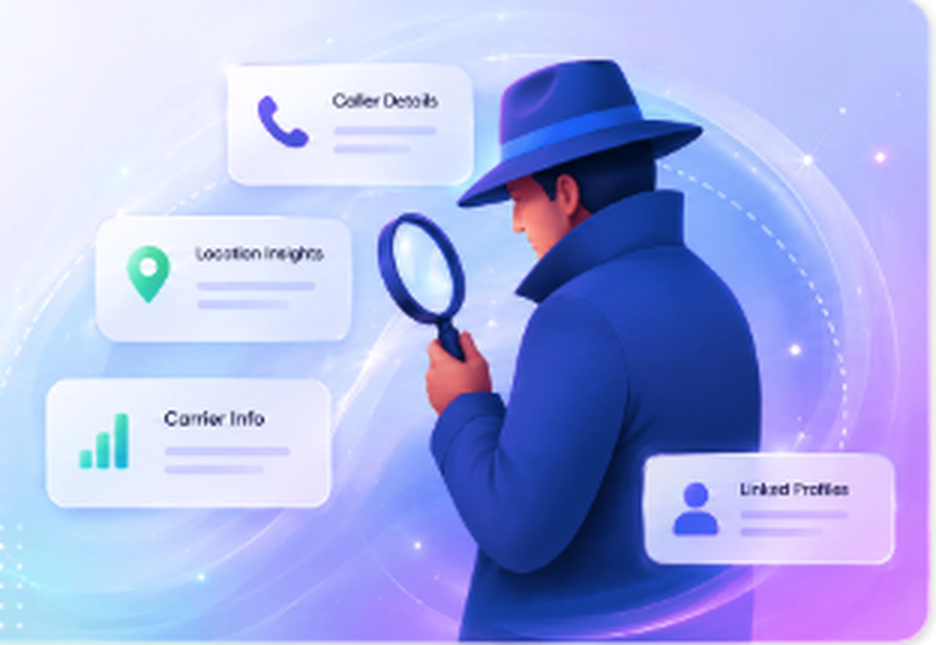
TikTok does not display personal information such as email addresses, phone numbers, or IP addresses to other users. However, you can often gather useful clues by carefully examining the account’s profile, activity, posting behavior, engagement, and connections across other social media platforms. These public indicators can help you decide whether an account appears authentic or suspicious.
Instead of trying to uncover someone’s private identity, it is more practical to verify whether the account itself appears legitimate. If you suspect an account is impersonating someone or behaving unusually, reviewing its profile details and public activity is often the best first step before reporting or interacting with it.
TechniqueHow’s TikTok Profile Authenticity Checker makes this process easier by letting you enter a TikTok username or profile link to analyze publicly available profile signals and estimate whether the account appears genuine, suspicious, or potentially fake.
Remember that no online tool can accurately reveal the real identity behind an anonymous TikTok account unless the owner publicly shares that information or legal authorities become involved.
One thing most people forget is that fake TikTok accounts can quietly damage reputations, spread false information, or even be used for scams. Using a TikTok viewer tool can help you review public profile details more carefully before trusting an account.
However, combining profile analysis, reverse searches, social media comparisons, and careful observation can often provide enough evidence to identify suspicious behavior and help you make informed decisions about whether you should trust, report, or avoid a particular TikTok account.
How to Find Out Who Is Behind a Fake TikTok Account
You can usually find who runs a fake TikTok account by analyzing its profile, posts, cross-platform checks, reverse lookups, and, when needed, professional legal removal can help for verified takedowns.
1. TikTok Profile Authenticity Checker
TikTok Viewer
Instantly view any TikTok profile & stories anonymously
The TikTok Profile Authenticity Checker helps evaluate whether a TikTok account appears genuine or potentially fake by analyzing publicly available profile signals. Simply enter a TikTok profile username into the tool, and it automatically reviews multiple indicators that are commonly associated with authentic or suspicious accounts. Instead of relying on a single factor, the tool examines overall profile quality to generate an authenticity assessment.
The analysis may include profile completeness, follower-to-following ratio, engagement consistency, account activity, profile score, posting behavior, content quality, and other public indicators that help estimate credibility. After scanning the profile, the tool presents an easy-to-understand report showing an overall profile score, engagement metrics, consistency rating, and an authenticity status such as Real, Moderate, or Suspicious.
While the checker can identify suspicious patterns and estimate whether an account behaves like a genuine user or a fake profile, it cannot reveal the real identity or the person behind an anonymous or fake TikTok account.
Instead, the tool helps users make informed decisions by highlighting unusual profile behavior and authenticity signals.
The profile checker reads details like followers, followings, total likes, video count, account activity, engagement level, and account creation signals. These details are used to create a profile score and authenticity status.

2. Check the TikTok profile information
First, you have to check the profile to find some clues, not proof. Look closely at the display picture (DP) for reused images, username variants (extra letters, numbers), and the display name, as these fake users often pick names that closely mimic the target but with small differences.
Check follower/following ratios and the account age (new accounts with lots of followers are suspicious). Also, scan the bio for links, email addresses, or other identifiers, and check pinned videos whether comments use the real person’s name or contain giveaways (mentions of a location, job, or contacts).
Just save screenshots and note timestamps, as this evidence helps both platform reports and law enforcement if needed.

3. Look at the posted Photos or Videos
Just look at what the account posts and how it posts. Also, notice if videos are original or clearly reposted from the real person (check audio clips, unique gestures, or visible backgrounds).
You can reverse look up on search engines to find where else the clip or photo appears. Notice language, spelling, and timestamps in captions as consistent timezone mentions or local slang can hint at origin. Does the account reply in ways the real person would? Also check metadata when available (for example, public comments referencing locations).
4. Social media mentions and cross-platform matching
Many people reuse usernames and photos across platforms. Search the username on Google, Instagram, Twitter/X, Facebook, YouTube, and LinkedIn. You can use exact-phrase searches and username-specific searches (site:instagram.com “username”).
Just look at the matching profile pictures, overlapping followers, or similar bios. If you find related accounts, compare the details (email links, website URLs, mutual contacts). Also search for the same profile picture; a reverse image search can reveal the source (stock photo, other social profiles, or stolen images). If multiple sites show the same person using that photo but with different names, map those connections. These may be the clues to the real identity or to a cluster of fake accounts.
How to Know If It Is a Fake TikTok Account
If you want to further confirm if it is a fake TikTok account, you can confirm it through different signs and by checking a few points.
1. Profile and Identity Details
You can spot genuine TikTok accounts by their detailed profiles, like real profile pictures, bios that make sense, and links to other social media. It helps to notice whether the information feels cohesive or contradictory.
Many fake accounts skip these details or use random images, vague bios, or inconsistent information that gives away their lack of authenticity.
2. Content and Posting Consistency
It’s worth observing the rhythm and quality of an account’s content. Real creators usually post original, creative videos that fit a theme or personal brand, maintaining steady posting patterns.
To say it, fake accounts tend to repost content, switch topics abruptly, or flood the platform with low-quality videos. These irregularities often stand out once you look closely.
3. Engagement and Audience Authenticity
You can measure credibility by checking the balance between an account’s followers, likes, comments, and shares. Actually, the real creators usually show proportionate engagement across their posts.
Some fake profiles may have thousands of followers but barely any meaningful interaction. It also helps to glance at followers’ profiles; if they seem inactive or too generic.
4. Verification Signs
It’s useful to check for verification badges, especially on accounts claiming to represent public figures or brands. While not every genuine account is verified, famous names without a blue check mark deserve suspicion.


Some fake users even edit fake badges onto their photos, so watch for signs that don’t quite align with TikTok’s official style.
Frequently Asked Questions:
If it comes again, save the new profile’s details immediately. Report it again, referencing the earlier case or takedown ID. If you have any monitoring service, it can track repeated offenders, helping reinforce future removals through platform policy or legal coordination.
Reporting through TikTok’s built-in system is safe and confidential. TikTok doesn’t notify the reported account about who filed it. However, sharing false claims, however, can backfire, so ensure your report is fact-based and supported with screenshots.
It gathers public data, so accuracy varies. It can reveal linked emails, usernames, or profiles, but should only guide investigation, not confirm identity. Always cross-check results with social-media validation and reports on the platform.