



Who Texted Me: Find Out Who Texted Me From This Number

When a random number appears in your inbox, it’s natural to wonder whether it’s a real person, a business inquiry, a wrong message, or a potential scam. Knowing who texted you is no longer just about curiosity; it’s about safety, context, and control.
Just $20. Lifetime Validity
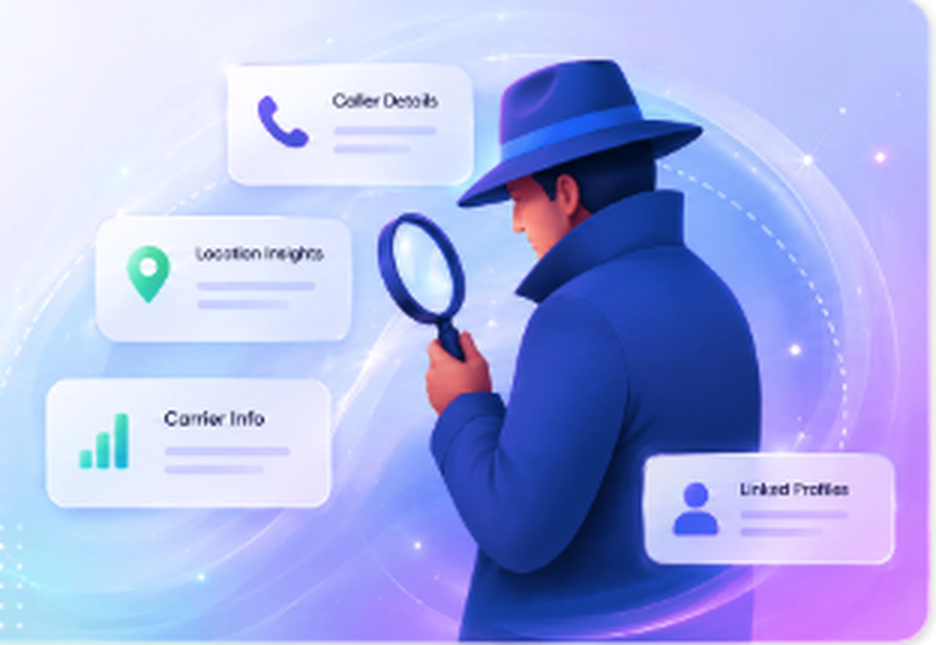
Many unknown texts can sometimes be linked to spam campaigns, phishing attempts, or misleading promotions. Other times, it could simply be someone trying to reach you for genuine reasons, such as a delivery update, a job-related message, or a missed personal connection. The challenge is separating legitimate messages from risky ones without replying blindly. That’s where smart lookup methods become essential.
By using the right techniques, you can find details like the sender’s name, caller type, country, and whether the number belongs to an individual or a business. Even partial information can help you decide whether it’s safe to reply, block, or ignore the message entirely.
One of the easiest and safest ways to start is by using a dedicated lookup tool such as TechniqueHow’s Who Texted Me tool. This tool is designed to analyze phone numbers and reveal useful ownership details without requiring you to install apps. You enter the phone number, and the system checks verified telecom data and user-reported records to display information such as the possible owner’s name, number type, network origin, and registered country.
Beyond tools, there are also manual methods like checking messaging apps, searching social media, or searching the number through Google. Each method adds another layer of confirmation.
In this guide, you’ll learn the most effective ways to find out who texted you from a phone number, starting from quick lookups to deeper digital searches.
How To Find Who Texted Me From This Phone Number
This article shows the practical and realistic methods that make tracing a number both easy and secure. It gives the structured steps using phone contacts, apps, social media, and professional lookup databases.
1. Who Is Texting Me
Getting a text from an unknown phone number can feel confusing, distracting, or even worrying. You may wonder if it is a real person, a business message, or a possible scam attempt. Replying without knowing the sender can sometimes lead to spam, fraud, or unnecessary conversations. That is why identifying who is texting you matters before you take any action.
The Who Is Texting Me tool is built to make this process simple and safe. Instead of guessing, you get clear details that help you decide whether to reply, block, or ignore the text. This is especially useful when unknown numbers appear in text messages, missed calls, or contact form notifications.
The tool checks data from verified telecom records along with user reports. This combination improves accuracy and reduces misleading results. It can show whether the number belongs to a business, professional service, toll-free line, or individual user. You may also see the associated name, network origin, and registered country, which adds helpful context.
Overall, this tool gives peace of mind. It helps you stay informed, avoid unwanted replies, and handle unknown texts with confidence.
➡️ How It Works:
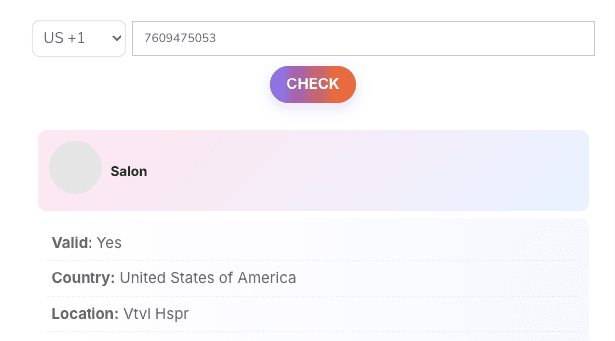
Step 1: Enter the phone number with the country code into the box provided on the screen carefully.
Step 2: Click the Who Texted Me button to instantly search verified telecom and user databases worldwide.
Step 3: Now, view the results showing owner name/business, number type, network source, and country information clearly for you.
2. Save Contact & Find on Messenger Apps
When you receive a text from an unknown number, the simplest and smartest move is to save that number as a contact. This small action unlocks powerful checks already built into your phone. Most messaging apps automatically scan your saved contacts and compare them with their user databases. This means you can find who texted you without using any external tools or risky websites.
Once the number is saved, open apps like WhatsApp, Telegram, Signal, or Viber. If the number is linked to an active account, you may instantly see a profile name, photo, or short bio. Sometimes, just a display picture is enough to recognize whether the message came from a friend, colleague, or real person.

What makes this method so effective is how safe and fast it is. You are not sharing your data with third-party sites or installing unknown apps. Everything happens inside platforms you already trust. Many users include emojis, job titles, or quotes in their profiles, which can strongly hint at identity.
A blank photo or no status can mean the person values privacy, uses a temporary number, or just created the account. Comparing the same saved contact across multiple apps gives even more clues. If one number shows the same photo on WhatsApp and Telegram, it is very likely the same person.
Checking activity indicators also helps. A “last seen recently” status usually means a real, active user rather than an automated spam sender.
3. Social Media Search
Searching for a phone number on social media can reveal details that raw data tools cannot. Many people unknowingly link their phone numbers to online profiles, posts, or business pages. By typing the number directly into social media search bars, you may uncover who is behind the text.
Platforms like Facebook, Instagram, X, and LinkedIn sometimes allow phone-number-based discovery. If the number was used for ads, public posts, marketplace listings, or business profiles, it may appear in search results. This works especially well for freelancers, sellers, recruiters, and small businesses.
This method requires patience as results do not always show instantly, and sometimes they appear under older posts or cached pages. Trying different number formats can help. Search with country codes, with spaces, or without symbols. Each variation may trigger different matches depending on how platforms store data.

What makes social media powerful is context. You do not just see a name; you see photos, friends, job roles, and posting style. This helps you judge whether the message is personal, professional, or suspicious. Seeing mutual connections or real engagement strongly increases trust.
Sometimes, nothing appears. That is also useful information. It can mean the person keeps profiles private or uses the number only for limited purposes. When combined with other methods, such as messenger app checks, social media searches help confirm identity. If the same profile photo appears on WhatsApp and Instagram, your answer becomes much clearer.
4. Third-party Lookup Tools
When basic methods are not enough, third-party lookup tools become useful. These platforms are designed specifically to identify unknown phone numbers. They work by combining crowdsourced reports, spam databases, and telecom partnerships to deliver fast results.
Once you enter a number, these tools scan millions of records and return details such as names, spam tags, call categories, and risk levels.
Tool 1: Truecaller
Truecaller is one of the most popular caller-ID platforms worldwide. It relies on a massive community-driven database where users contribute contact labels.
This makes it very effective for spotting spam and business numbers. It works on both web and mobile, showing names and warnings before you respond.
✔️ Matches unknown numbers with saved contact data.
✔️ Labels frequent spammers, telemarketers, or bots.
✔️ Live pop-up that reveals identity before you answer.
Basic version is free; premium plan starts at around $2 monthly.
Available for web and mobile.
Pros:
✔️ Supports global coverage across over 150 countries
✔️ Spam blocking for daily texts and calls
Cons:
🚫 Accuracy depends on the volume of reports
🚫 Collect partial contact details
Tool 2: Hiya
Hiya focuses strongly on security and fraud prevention. Instead of relying only on user reports, it works closely with mobile carriers.
This makes it highly reliable for identifying scam texts and suspicious senders, especially in North America.
✔️ Spots numbers marked as unsafe or suspicious.
✔️ Lets you manually search a text sender.
✔️ Integrate with your smartphone dialer
Free core option; premium costs $3 monthly.
Available for web and mobile.
Pros:
✔️ Uses official telecom data instead of only crowd reports
✔️ Gives a clean, minimal interface for daily security
Cons:
🚫 Strongest in North America, with smaller data outside
🚫 Deeper analytics stay locked behind the premium version
5. Search on Google
When every other method fails, and the sender still feels like a mystery, Google can quietly do the heavy lifting for you. It may sound basic, but searching a phone number on Google is one of the most effective and underrated ways to identify who texted you. All you need to do is copy the number, paste it into the Google search bar, place it inside quotation marks, and press search. Those quotation marks are important because they force Google to look for that exact number instead of similar patterns.
Behind the scenes, Google scans billions of web pages in seconds. This includes business websites, review platforms, online directories, forums, blogs, classified ads, and even old cached pages. Many fake services, spam campaigns, and scam numbers leave traces online because victims talk about them. A single search can reveal warning posts, complaints, or reports from people who received the same text.
The biggest advantage of Google is that it is free, fast, and global. You do not need to create an account or share your own information. Even if the number is old or no longer active, Google may still show historical records that explain its purpose. While it may not always reveal a person’s name, it often tells you what kind of number it is, which is sometimes all you need to decide whether to reply or stay away.
Faster results
With Priority Access
Premium service gives unlimited searches, deeper phone number insights, faster results, and real-time updates, helping you identify callers confidently without daily limits or interruptions.
GO PREMIUM
How to Look Up Who Called Me From This Phone Number?
Getting a call from an unknown number can leave you confused or alert. You may wonder if it was important, a business call, or something risky. Instead of calling back blindly, there are simple ways to understand who called you and why.

1. Check Caller Details Using a Lookup Tool
A phone number lookup tool is one of the fastest ways to identify an unknown caller. You enter the number, and the system scans telecom records and user databases. It can show whether the call came from a business, service center, toll-free number, or individual. Many tools also display the caller type, network, and country. This helps you decide if the call is safe to return. If the number is linked to spam or telemarketing, you’ll often see warning tags. Using a lookup tool saves time and reduces the risk of calling scammers back.
2. Save the Number and Check Messaging Apps
Another easy method is saving the number in your contacts and checking connected apps. Platforms like WhatsApp, Telegram, and Signal may instantly show a profile name or photo. This small detail can reveal whether the caller is a real person or a business account. Even when details are hidden, the presence or absence of a profile gives clues. If the same number shows consistent information across apps, it strongly suggests a genuine caller. This method is quick and doesn’t require external websites.
3. Search the Number on Google
Google can reveal hidden information about unknown callers. Paste the number into Google using quotation marks for exact results. You may find business listings, reviews, complaint posts, or scam reports. Trying different formats of the number improves results. If others reported the same number for spam or fraud, you’ll likely see warnings. Even older listings can explain the purpose of the call. This helps you judge whether returning the call is worth your time or better ignored.
Frequently Asked Questions:
The automated texts use templates and send messages instantly. The real people respond with variation and delay. The tools, like Phone Number Lookup also show if the number belongs to a business, service line, or personal mobile network.
Many databases can reveal that. You can enter the number in tools i.e. our Phone Number Lookup. These match records from telecom directories to identify names and line types. In several cases, you’ll also see whether the number is residential, business, or toll-free.
It usually means the sender disabled caller ID or used a masked texting service. Some businesses hide numbers for privacy, while scammers do it to avoid tracing. You can’t reveal those directly, but carriers and law enforcement can investigate if threats or fraud are suspected.